MONDAY, JUNE 26, 2025


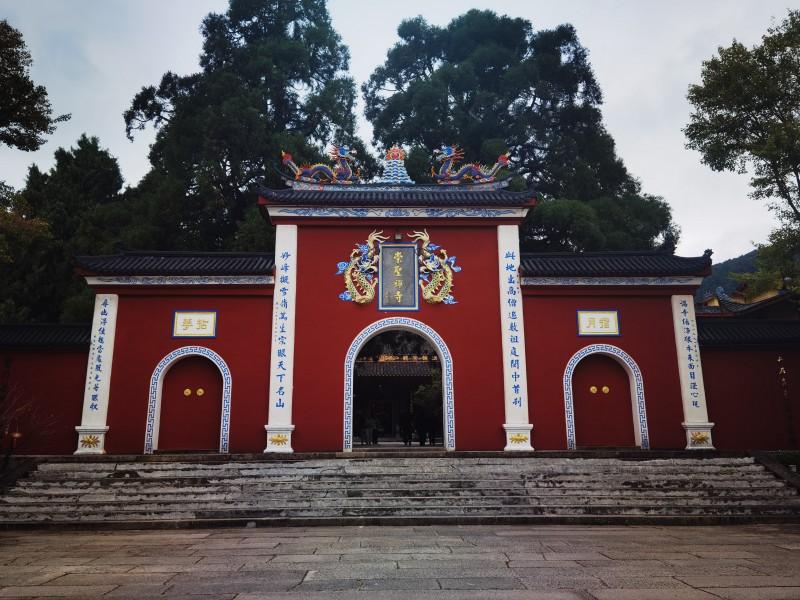
At Chongsheng Temple, time seems to slow gently amid the mountains and woods. Nestled on the southern slope of Xuefeng Fenghuang Mountain in Minhou County, Fuzhou, it was first established during the Tang Dynasty.
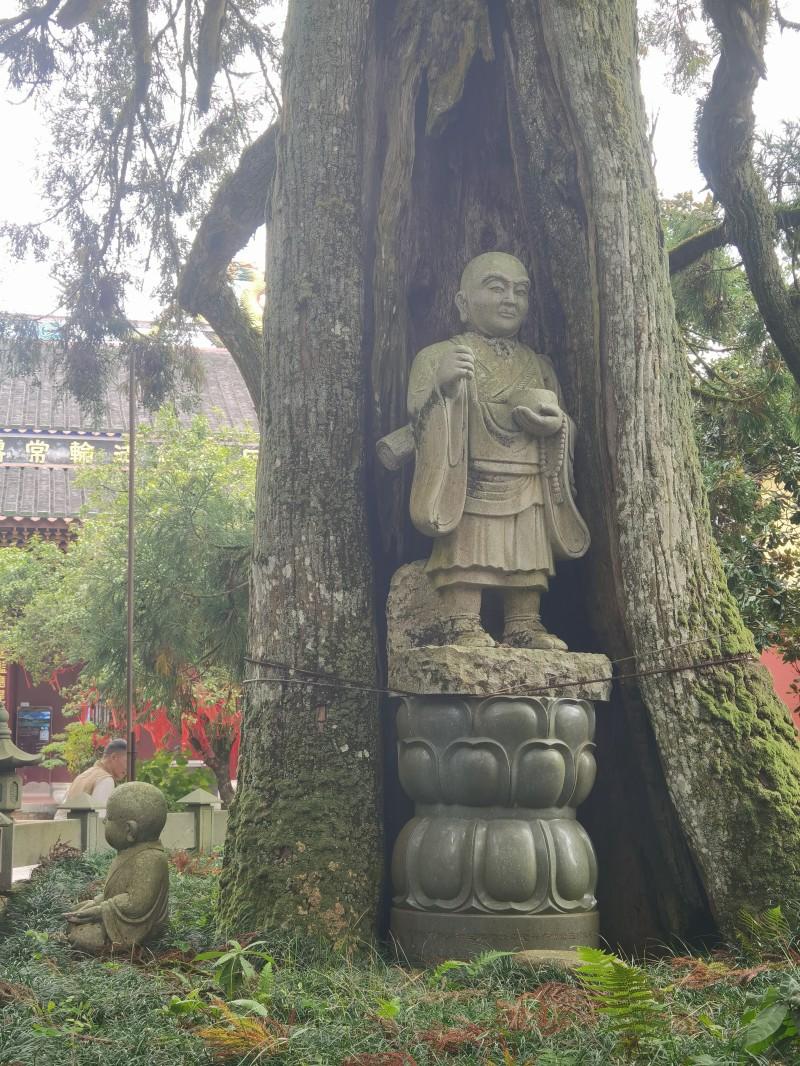
Walking through the temple today, the halls are arranged along the mountainside, with a layout that feels both open and dignified. Ancient pagodas, stone inscriptions, and preserved scriptures sit quietly in place, like fragments of memory carefully held by time. Among them, the “Withered Wood Hermitage” stands out as the most distinctive corner, a hollow ancient tree bearing inscriptions dating back to the Tang and Song dynasties, carrying an air of mystery and age.
Compared with its weighty history, the natural surroundings here feel light and refreshing. Thanks to its higher elevation, summer temperatures are noticeably cooler than in the city, making it a well-known retreat from the heat among locals. In winter, when cold waves arrive, snow occasionally graces the landscape. Beyond the temple, the mountain forests and blooming plum blossoms create a scene that shifts with the seasons, each with its own charm.
From the Tang Dynasty to the present, Chongsheng Temple has risen and fallen more than once. Today, it is coming back to life through ongoing restoration.