MONDAY, JUNE 26, 2025


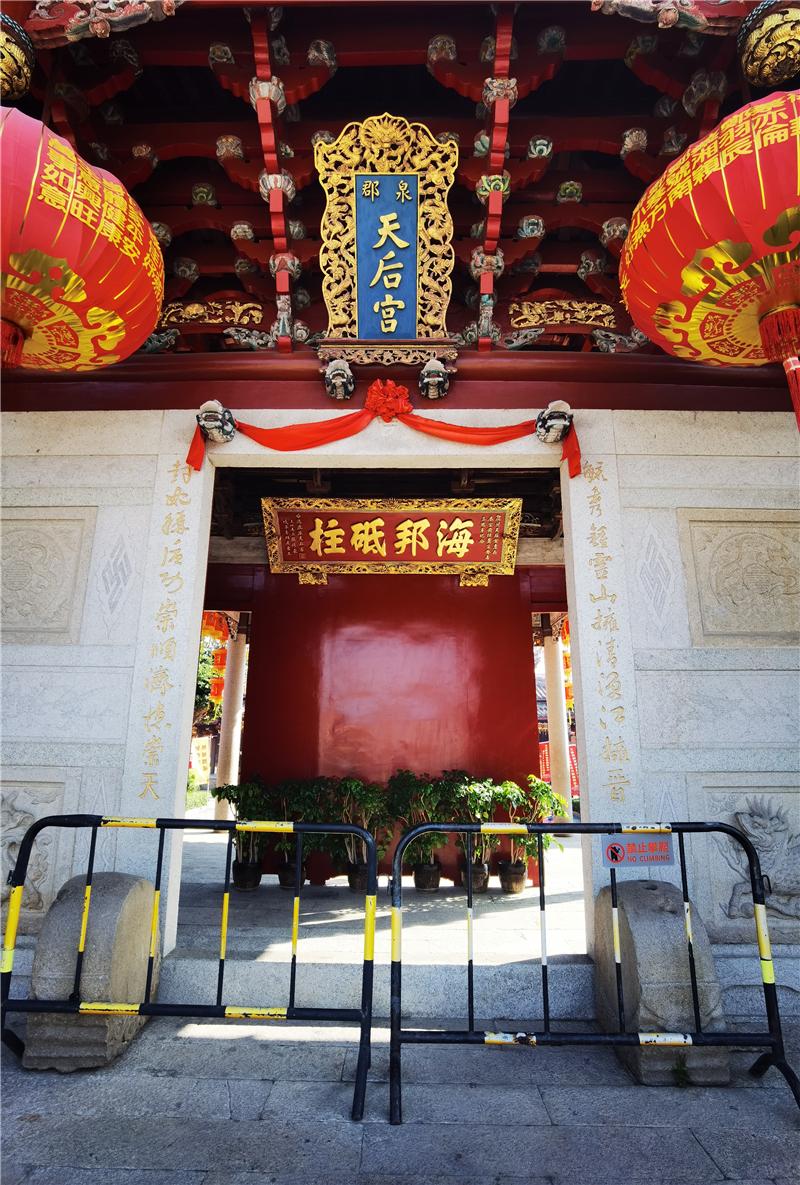
Quanzhou Tianhou Palace (Mazu Temple) was first built in 1196 as Shunji Temple, named after an imperial plaque granted by Emperor Huizong of the Song Dynasty.
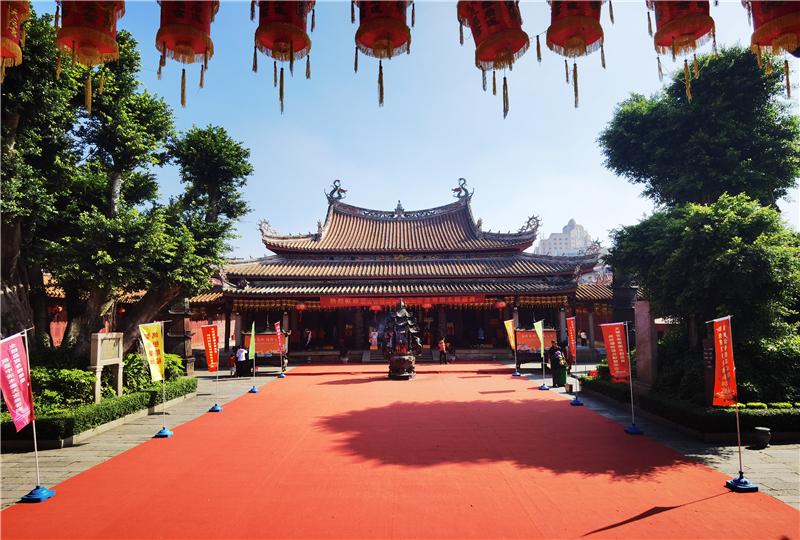
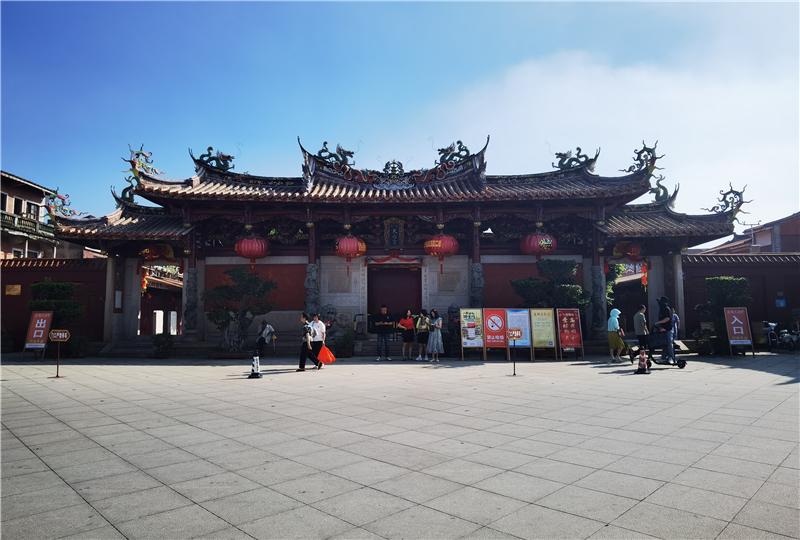
Renamed Tianfei Palace in 1278 and Tianhou Palace in 1684, it faces south with its back to the north. Its main structures retain Ming‑Qing architectural features, including a mountain gate, opera stage, towers, main hall, corridors, rear chambers, verandas, pavilions, meditation halls and a dressing building, covering over 7,200㎡.
With rigorous layout and grand scale, it serves as a model for Mazu temples worldwide, a key historic hub for Mazu worship, and a vital part of Quanzhou’s World Cultural Heritage.