MONDAY, JUNE 26, 2025


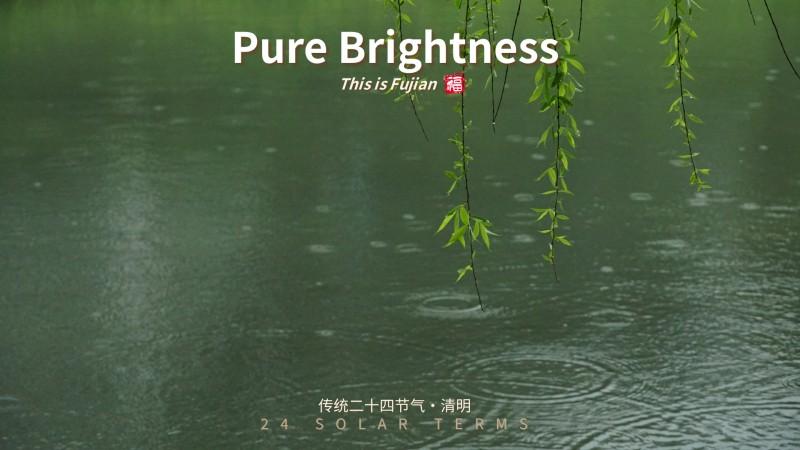
As Qingming (Pure Brightness) arrives, in Fujian this solar term is not only a time to remember ancestors, but also a moment to encounter spring. Like elsewhere in China, people visit graves, pay tribute, and go on spring outings. Yet local customs and foods vary from place to place, each carrying a distinct regional flavor.
In Fuzhou, a common Qingming treat is Boboguo, dyed a fresh green with herbal juice to symbolize the vitality of spring. In Putian, people make turtle-shaped Qingminggui, expressing wishes for peace and longevity. In southern Fujian, Runbing (thin spring rolls) is a seasonal staple, delicate wrappers filled with a variety of ingredients, light yet richly layered in taste.
Beyond food, each area has its own meaningful traditions. In Zhangzhou, peach blossoms are placed during ancestral rites as a symbol of peace and prosperity. The Hakka people in Longyan use mugwort to dispel dampness and promote well-being. Around Sanming, people worship the Earth God, and some fly kites to let away misfortune with the wind. In Putian, Puxian Opera is often performed, telling stories of local life and history in the native dialect.
In Fujian, Qingming is more than just a festival, it feels like a thread weaving together nature, food, and emotion. On one end lies remembrance of ancestors; on the other, a deep appreciation of present life. Only when these diverse flavors and rituals come together do they form the full picture of spring in Fujian.